
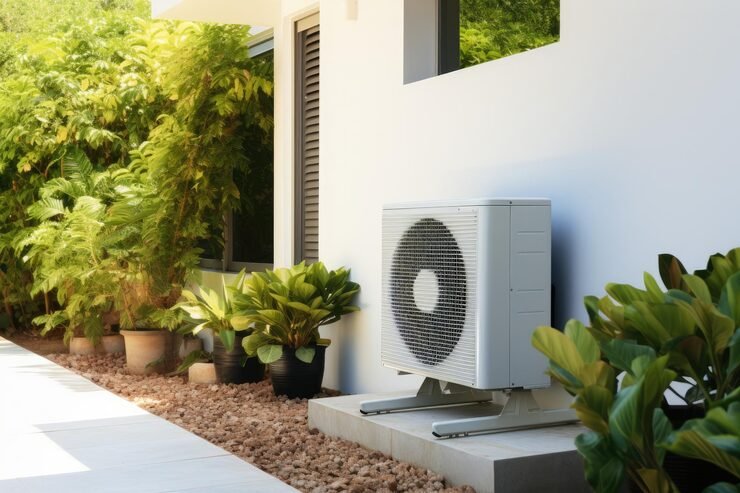
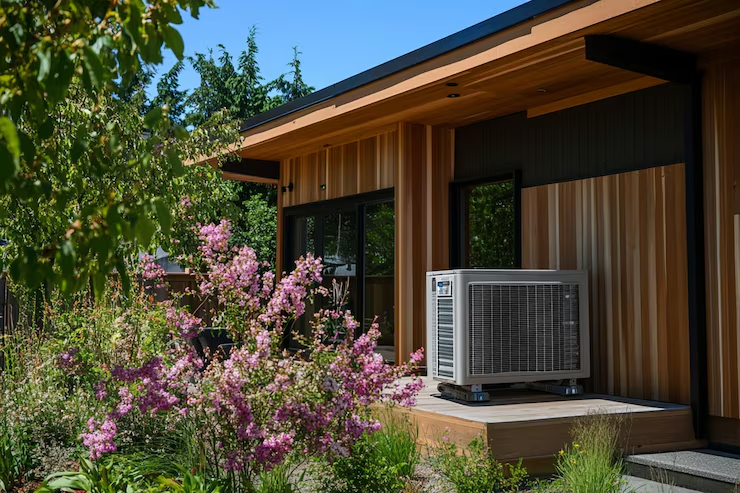
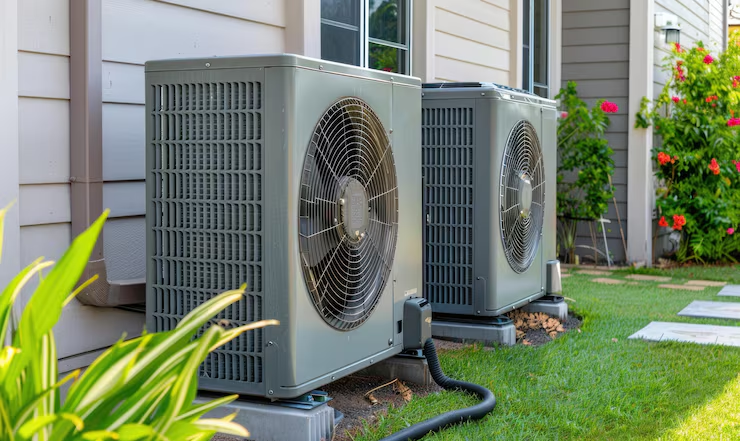
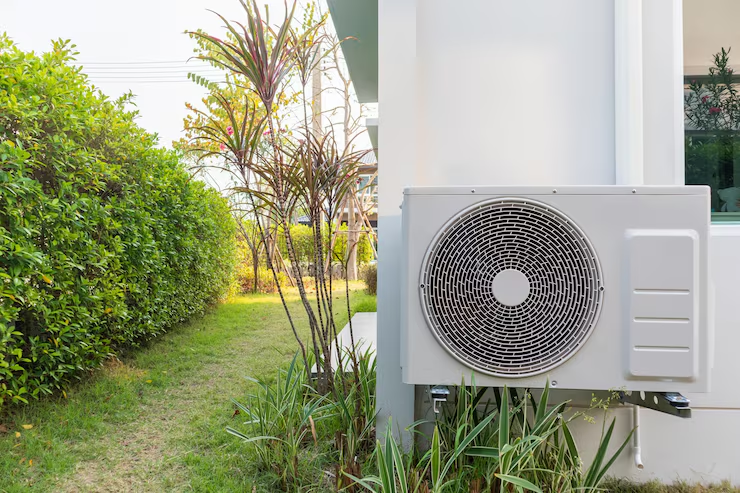
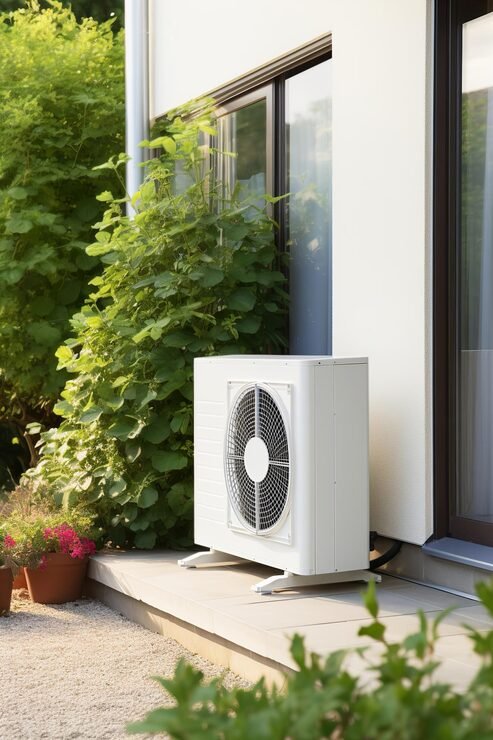
An Air Source Heat Pump (ASHP) is a highly efficient heating system that extracts heat from the outside air—even when temperatures are below freezing—and transfers it into your home to provide space heating and, in most cases, hot water.
Unlike a gas boiler, which creates heat by burning fuel, a heat pump moves heat rather than generating it, making it a much more energy-efficient way to heat a property.
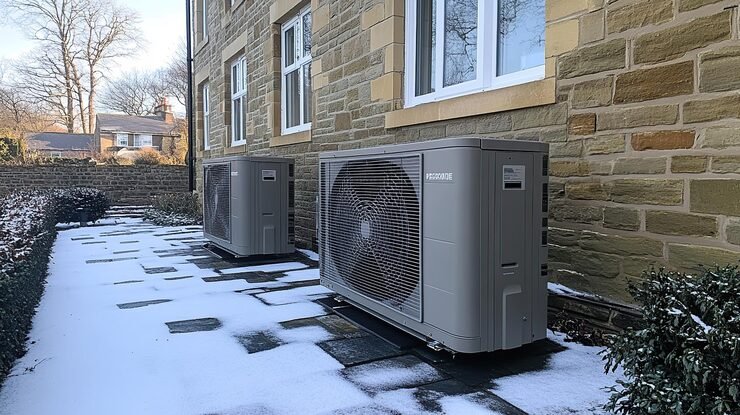
An air source heat pump works using a refrigeration cycle, similar to a refrigerator operating in reverse.The process involves four key steps:

The outdoor unit absorbs heat energy from the outside air. Even cold air contains usable heat energy.

A refrigerant captures this heat and is compressed. Compressing the refrigerant increases its temperature significantly.

The heated refrigerant transfers its heat into your home's heating system via a heat exchanger.

Warm water circulates through radiators, underfloor heating and the hot water cylinder.
One of the biggest differences between a gas boiler and a heat pump is the flow temperature.
| Gas Boiler | Air Source Heat Pump |
| Typically 65–80°C | Typically 30–50°C |
Because the water circulating around the heating system is cooler, radiators feel warm rather than very hot.
This is completely normal and is how heat pumps are designed to operate efficiently.
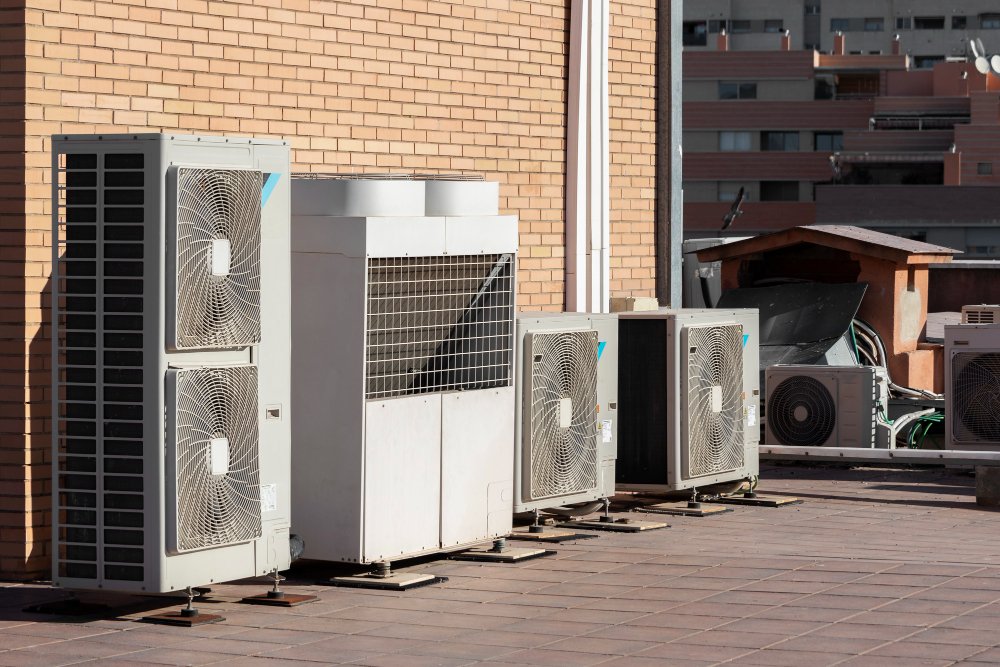
A heat pump is described as a low-temperature heating system because it supplies heat steadily rather than in short, intense bursts.
Instead of quickly heating a cold house, it works by:
Think of it like driving a car steadily at 50 mph rather than repeatedly accelerating and braking. Maintaining a steady speed uses less energy overall.
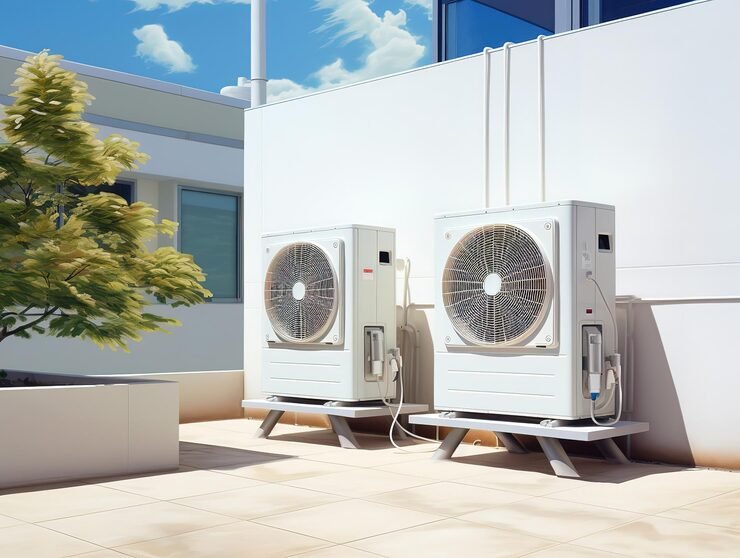
Many homeowners are surprised that a heat pump runs for much longer than a gas boiler.
This is normal and expected.
A gas boiler typically:
A heat pump:
Rather than rapidly increasing the indoor temperature, a heat pump continuously replaces the heat that naturally escapes from the building.
Generally, no.
Heat pumps work best when maintaining a stable indoor temperature.
Turning the heating off for long periods allows the building to cool down. The heat pump then has to work much harder and for longer to bring the temperature back up.
Instead, many installers recommend:
This approach often provides better comfort and improved efficiency.

Leave the heating running for longer periods.

Use programmable heating schedules rather than frequent on/off switching.

Keep internal doors open where appropriate to allow warm air to circulate.

Avoid turning thermostatic radiator valves fully off unless necessary.

Allow weather compensation controls to adjust heating automatically.

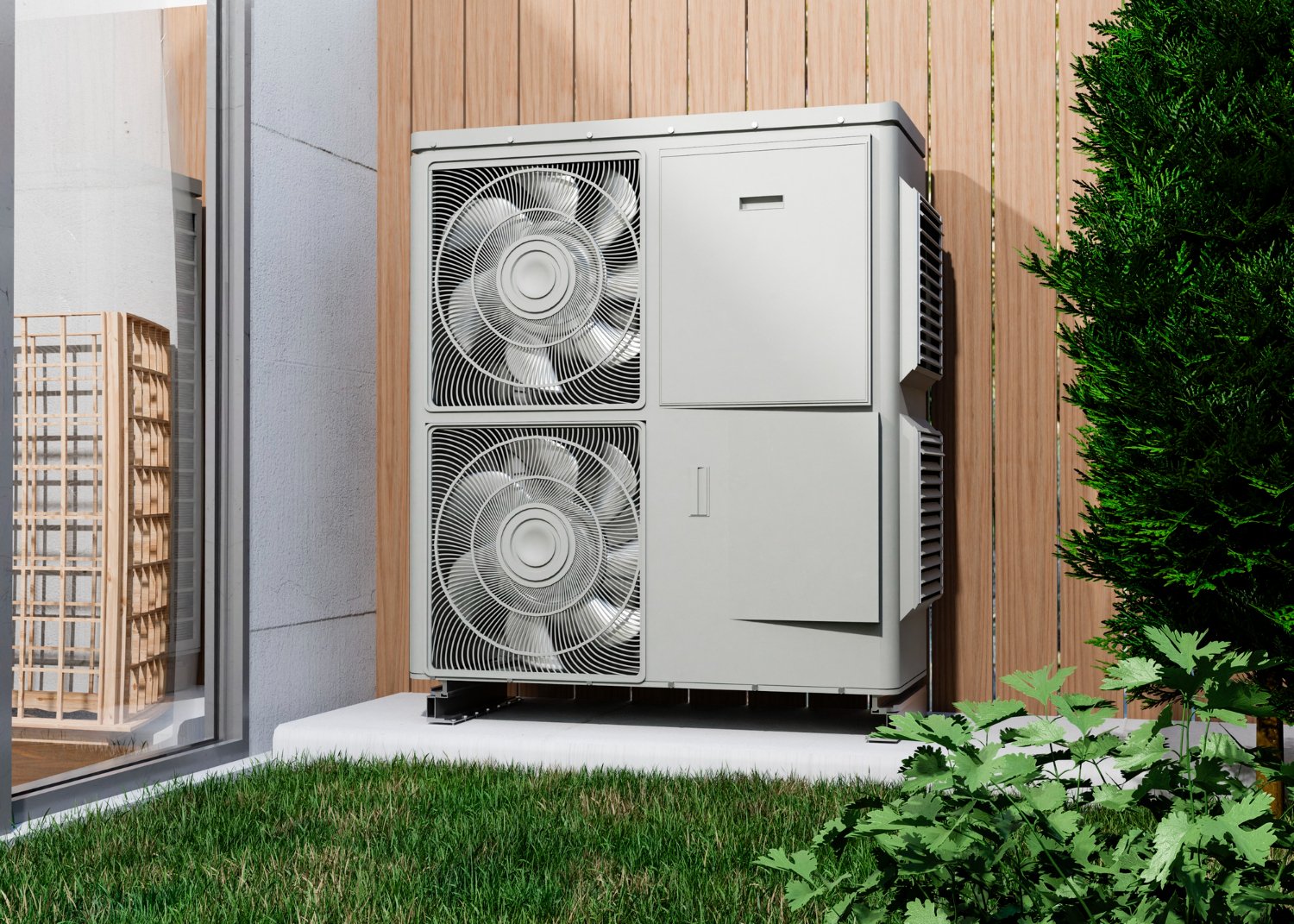
Keep the outdoor unit free from leaves, snow and debris to maintain airflow.
Because the heating water is cooler, radiators need a larger surface area to deliver the same amount of heat.
Many heat pump installations include:
These emit heat more effectively at lower water temperatures.
Heat pump performance is measured using the Coefficient of Performance (COP) or the Seasonal Coefficient of Performance (SCOP).
Typical seasonal efficiencies:
This makes heat pumps significantly more efficient than direct electric heating and an effective low-carbon alternative to fossil fuel heating.
This is normal. Heat pumps use lower water temperatures, so radiators feel warm rather than hot while still maintaining a comfortable room temperature.
This is expected. Heat pumps are designed to operate for longer, maintaining a steady indoor temperature instead of cycling on and off like a gas boiler.
Correct. Heat pumps heat buildings more gradually. They are most effective when maintaining warmth rather than recovering from a cold start.
Modern air source heat pumps are designed to operate efficiently in cold weather and can continue extracting heat from outside air even when temperatures are well below 0°C. Their efficiency decreases as outdoor temperatures fall, but they continue to provide heating.
Thank you for your enquiry. You'll now be contacted by up to 3 local trusted installers. All are MCS registered, hold up-to-date qualifications, insurances, and have excellent reviews.
Please be prepared to answer their calls and explain fully what your preferences are. This will help them provide the most suitable quotations for your property.