
Compare Renewables

What is Battery Energy Storage?

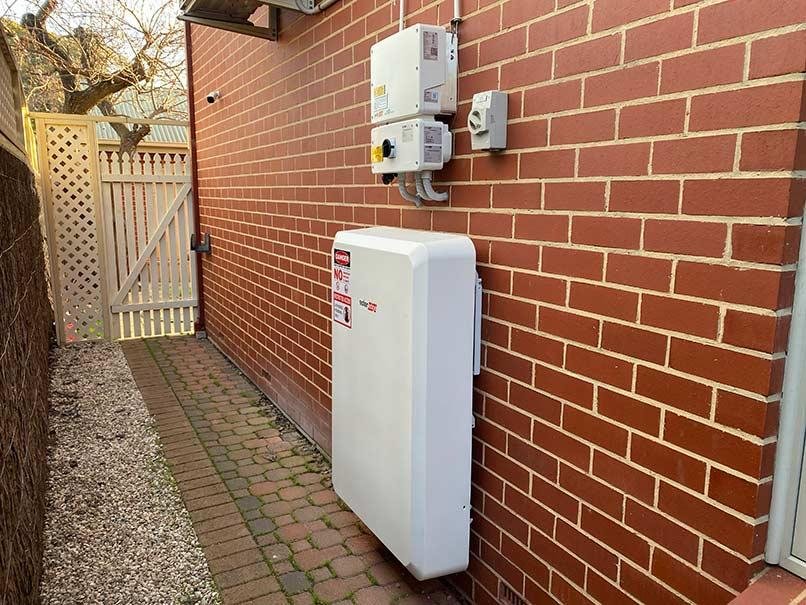
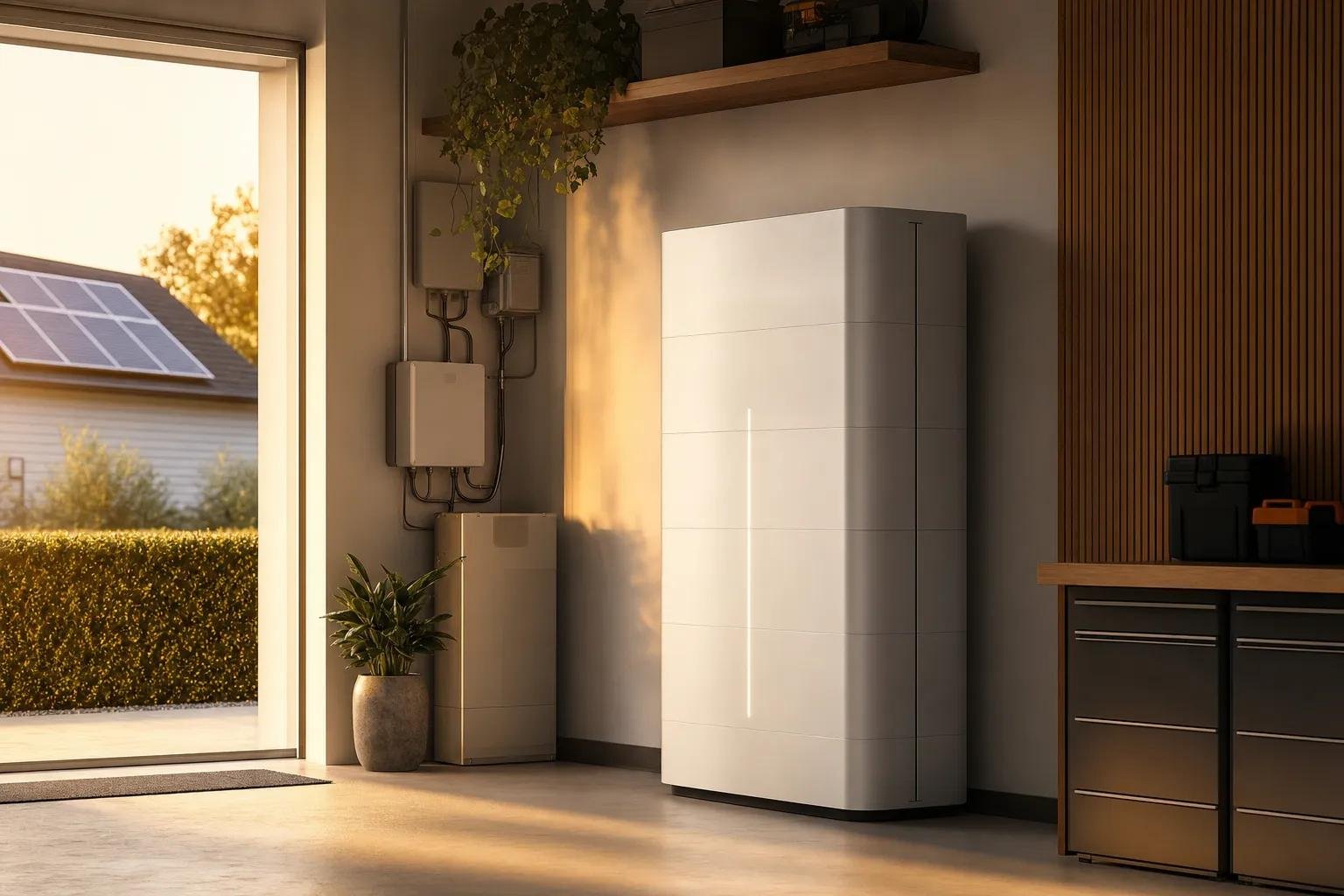
A Battery Energy Storage System (BESS) stores electricity for use at a later time. Most domestic and commercial systems use lithium-ion batteries and can be charged from:
  • The electricity grid.
  • Solar PV systems.
  • Wind generation (where available).
  • Other on-site renewable energy sources.
battery

The primary objective of a Battery Energy Storage System is to use electricity when it is most valuable, rather than when it is generated or purchased. This helps maximise energy efficiency, reduce reliance on the grid, and lower overall electricity costs.
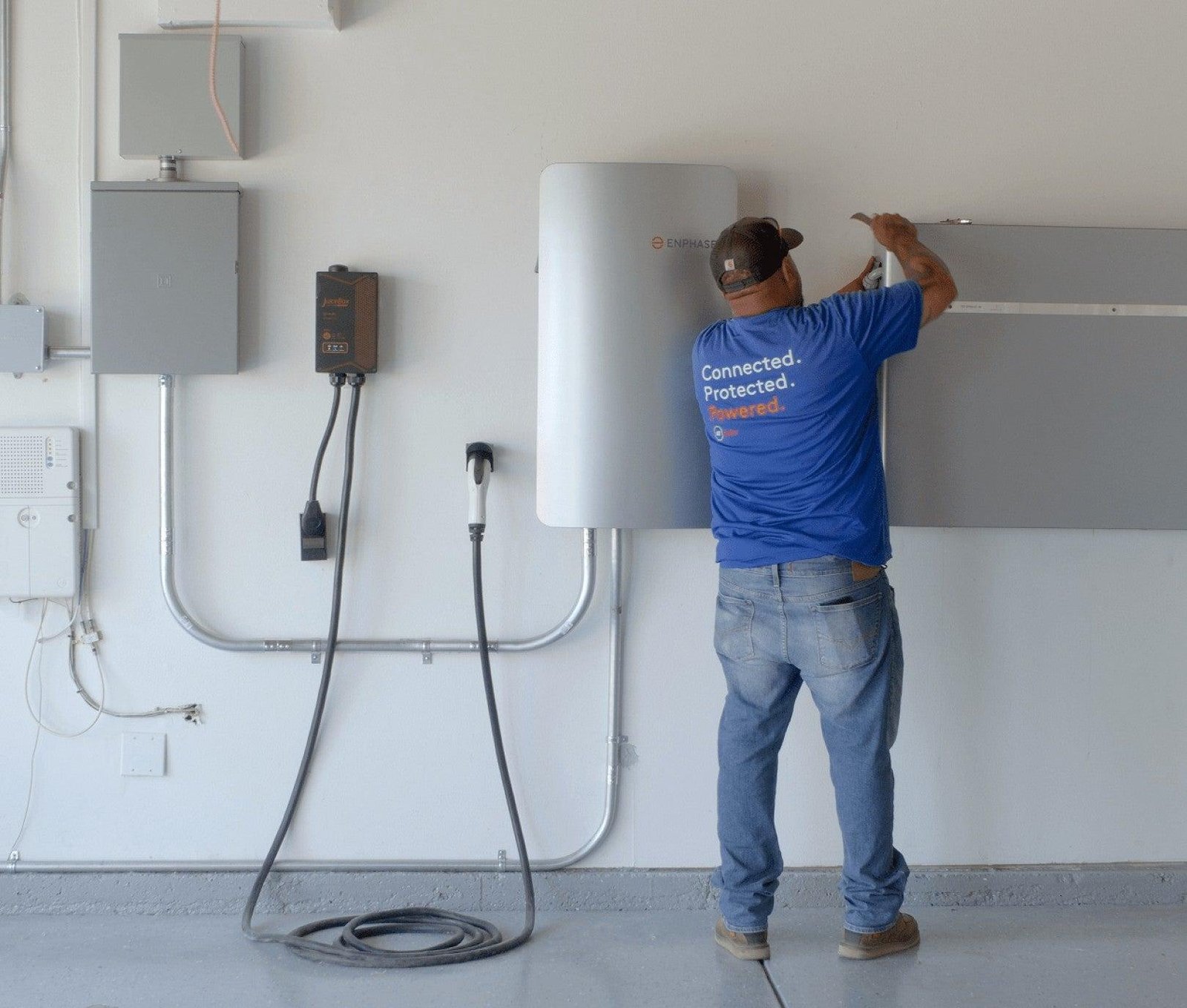
Installation

Why Install Battery Storage?

Battery Energy Storage offers a range of financial and environmental benefits. Installing a battery storage system can help you:

  • Reduce your electricity bills by storing energy for use when electricity costs are higher.
  • Maximise self-consumption of solar energy by using more of the electricity your Solar PV system generates.
  • Protect against rising electricity prices by reducing your reliance on grid-supplied electricity.
  • Provide backup power during outages with compatible battery storage systems.
  • Reduce peak demand charges for commercial properties by using stored energy during high-demand periods.
  • Participate in smart grid and flexibility services, allowing your battery to support the electricity network while creating additional value.

Battery Optimisation

Battery Optimisation is the intelligent management of when your battery charges and discharges to maximise both financial savings and overall system performance.Rather than simply charging whenever solar energy is available, optimisation software continuously analyses a range of factors, including:
  • Current electricity prices.
  • Household or business energy demand.
  • Solar power generation forecasts.
  • Weather forecasts that may affect energy production.
  • The battery’s current state of charge.
  • Grid export payment rates.
  • Local network constraints and grid conditions.
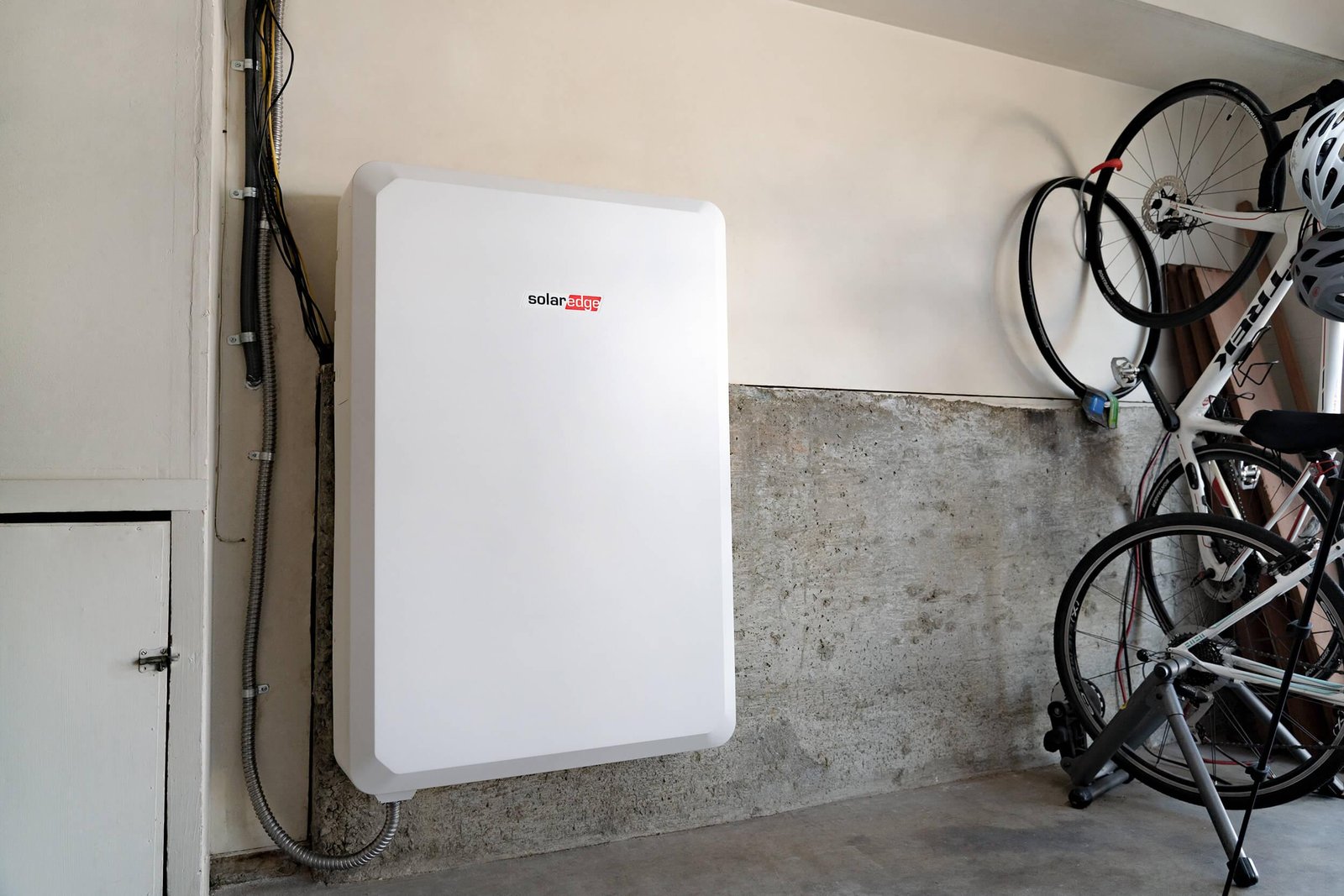
Storage

By using this information, the system automatically decides the most efficient times to charge and discharge the battery, helping to maximise self-consumption, reduce electricity costs, and increase the overall value of your renewable energy system.
Flexible Energy Tariffs

Flexible Energy Tariffs

Flexible Energy Tariffs (also known as Time-of-Use (TOU) or Dynamic Tariffs) charge different electricity prices throughout the day. Choosing the right tariff can help maximise the savings from your battery storage system.

  • Time-of-Use(TOU):Fixed cheap periods (e.g. overnight)
  • Economy 7 / Economy:10 Low-cost overnight electricity
  • Agile Tariffs: Prices change every 30 minutes
  • Dynamic Export Tariffs: Export payments vary throughout the day

How Battery Optimisation Works

A smart battery continuously analyses energy prices and demand, asking one simple question:
“Is electricity cheaper now than it will be later?”
Example Optimisation Strategy
 

  • Grid electricity costs around 8p/kWh.
  • The battery charges to 100% using low-cost electricity.
  • The home is powered from the battery.
  • Avoid purchasing electricity at around 28p/kWh.
  • Solar PV generates electricity.
  • Excess solar energy recharges the battery.
  • The battery powers the home.
  • Avoid buying electricity priced between 35–45p/kWh.
Battery Optimisation
×

Thank You!

Thank you for your enquiry. You'll now be contacted by up to 3 local trusted installers. All are MCS registered, hold up-to-date qualifications, insurances, and have excellent reviews.

Please be prepared to answer their calls and explain fully what your preferences are. This will help them provide the most suitable quotations for your property.