
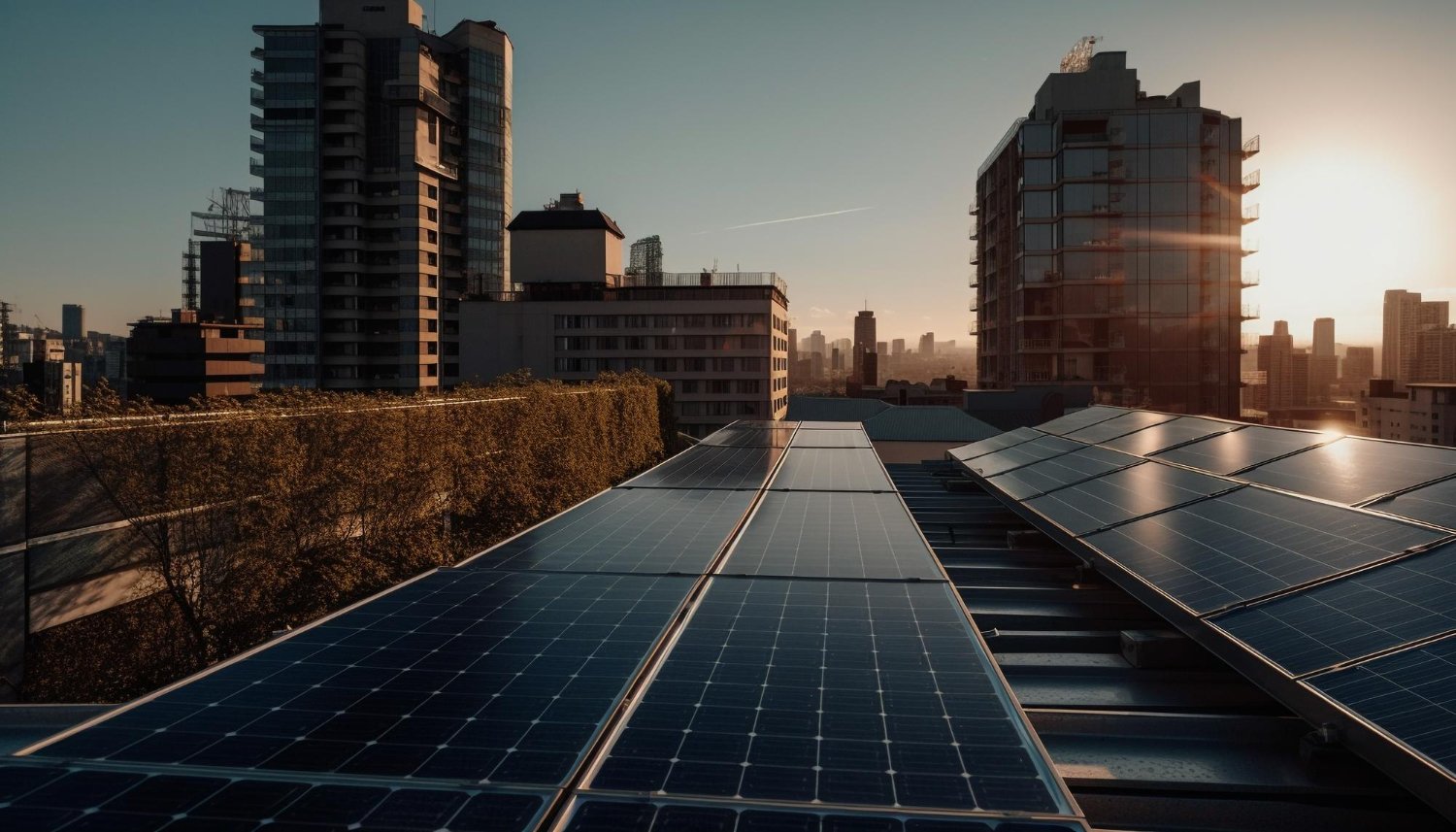
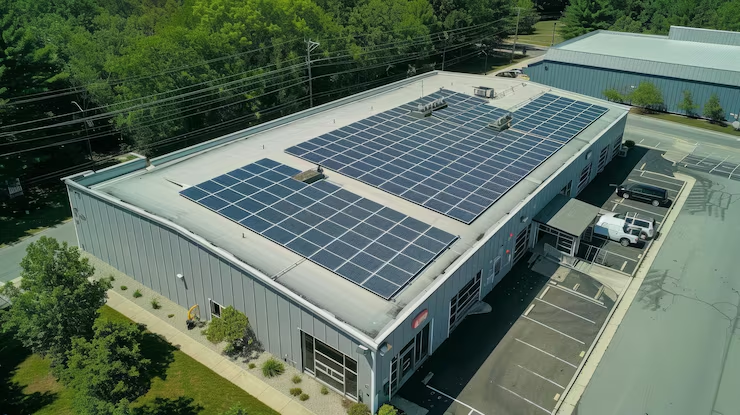
Commercial Solar Photovoltaic (PV) systems convert sunlight directly into electricity for use within a business.
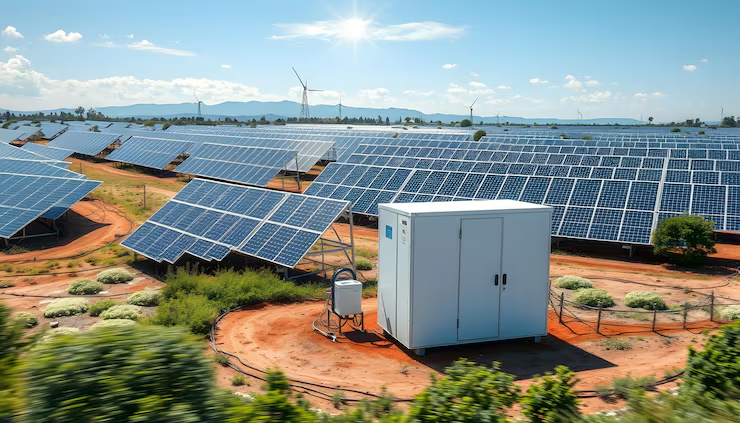
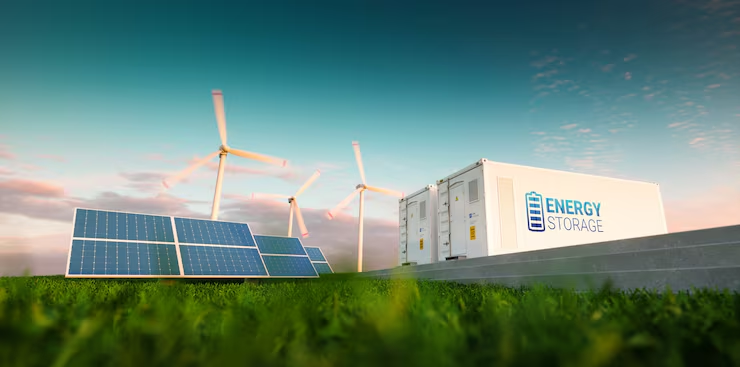
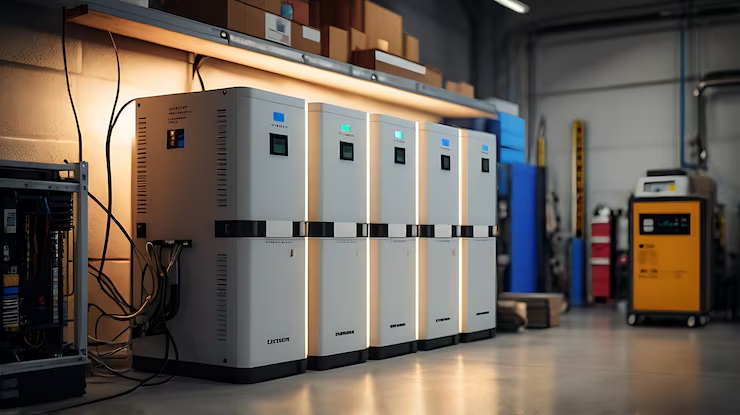
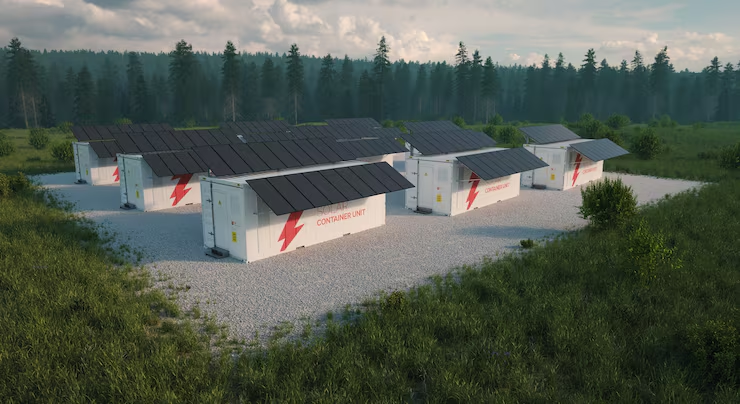
When combined with battery storage, excess electricity generated during the day can be stored and used later, reducing reliance on the National Grid and helping businesses avoid expensive peak electricity prices.
Commercial systems are suitable for:
An air source heat pump works using a refrigeration cycle, similar to a refrigerator operating in reverse. The process involves four key steps:

Solar panels convert daylight into electricity throughout the day. This electricity is used first by the building.

Generated electricity powers: Lighting,Machinery,Computers HVAC systems, Refrigeration, Electric vehicle chargers.Every unit of solar electricity used on-site is one less unit purchased from the grid.

If solar production exceeds demand, the surplus charges the battery.Stored electricity can then be used: During the evening, Overnight, During expensive peak tariff periods, During short power interruptions (where backup capability is installed)

If the battery is full and generation still exceeds demand, surplus electricity can be exported to the grid, potentially generating additional income through export agreements.
Battery storage allows businesses to:
A well-designed commercial system can deliver:
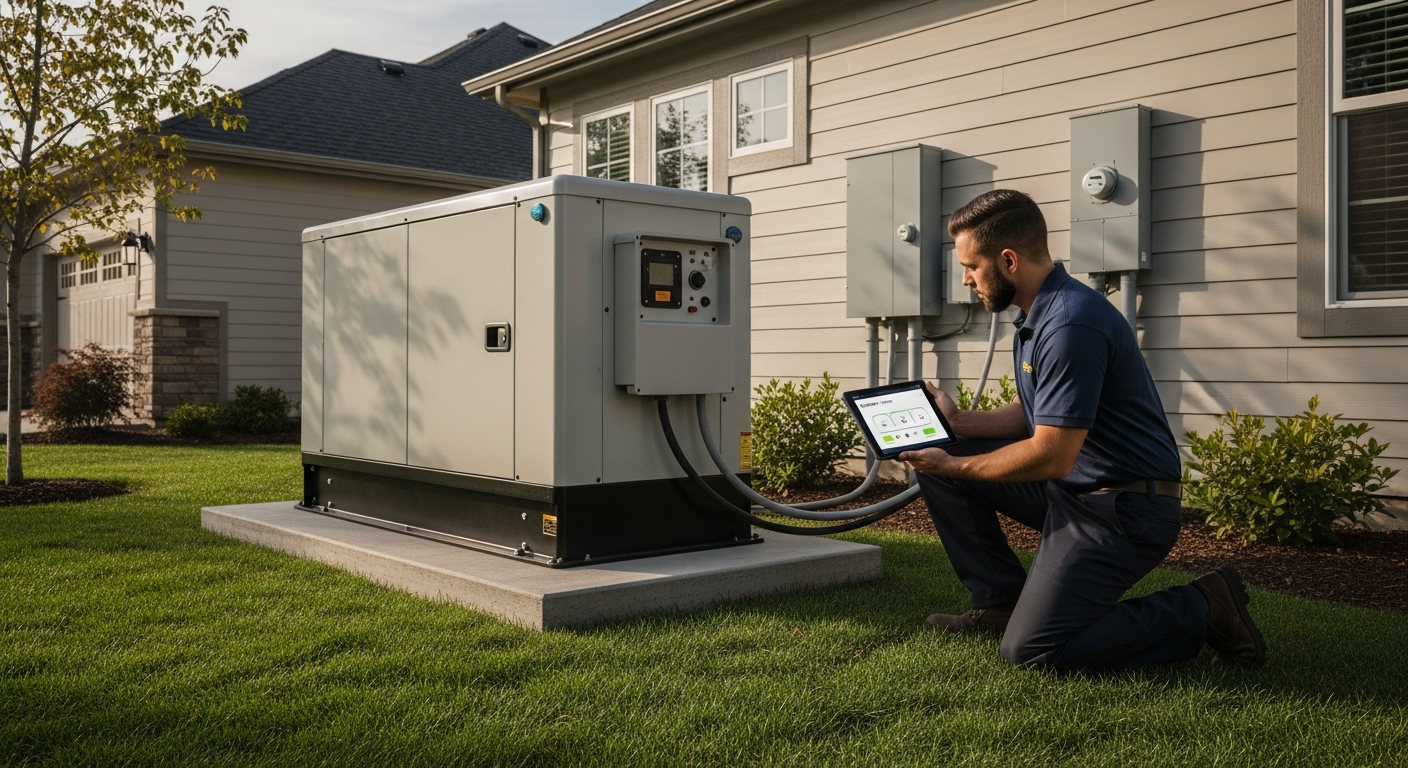
Modern battery systems use intelligent software to decide when to:
This ensures the battery delivers the maximum financial benefit with minimal user intervention.
Savings vary depending on:
Many commercial systems enable businesses to reduce grid electricity purchases by 30–70%, with higher savings where most solar generation is consumed on site. Actual savings depend on system design, usage patterns and tariff structure.
Indicative installed costs (excluding VAT where applicable):
| System Size | Typical Cost |
| 30 kWp Solar PV | £30,000–£45,000 |
| 50 kWp Solar PV | £45,000–£65,000 |
| 100 kWp Solar PV | £70,000–£120,000 |
| Battery Storage (50–100 kWh) | £20,000–£60,000+ |
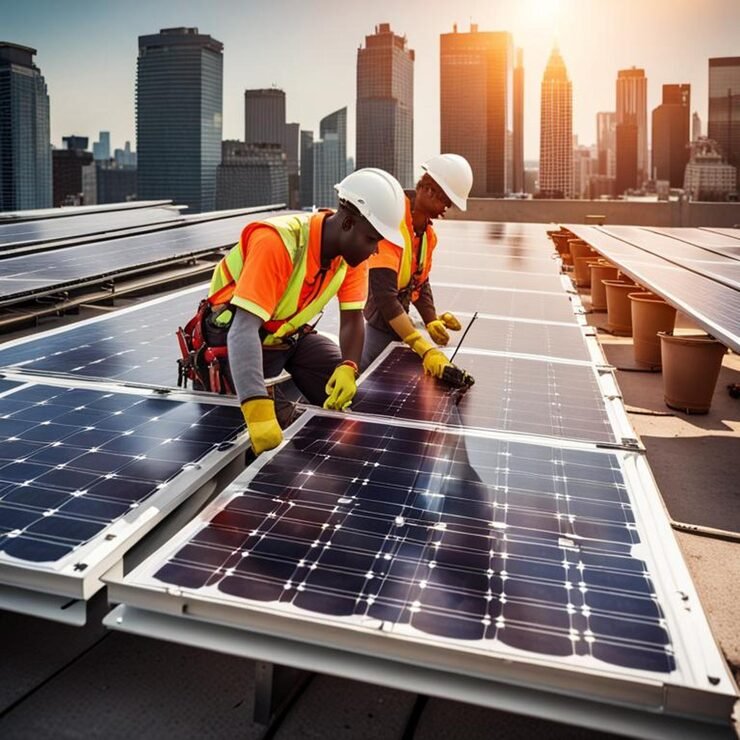
Project costs depend on roof construction, electrical infrastructure, access requirements and battery capacity.
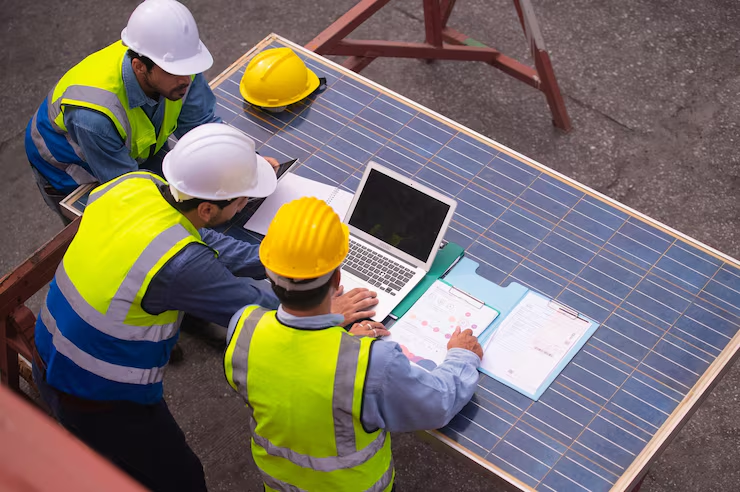
Purchasing a solar PV and battery system using capital expenditure (CAPEX) can provide significant tax advantages, as the system is treated as a business investment in qualifying plant and machinery.
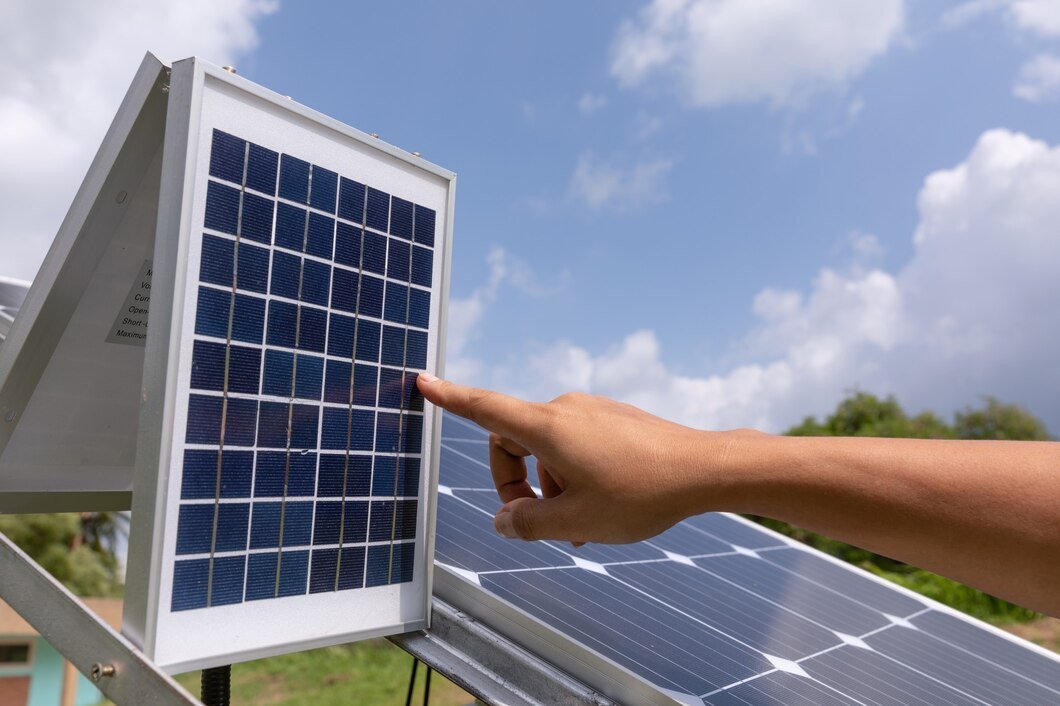
For many UK businesses, qualifying expenditure can be claimed through the Annual Investment Allowance (AIA), allowing up to 100% of qualifying expenditure (subject to the current annual limit) to be deducted from taxable profits in the year of purchase. This can substantially reduce the corporation tax or income tax payable in that accounting period. (GOV.UK)
Example
| Installation Cost | Corporation Tax Rate | Potential Tax Relief* |
| £100,000 | 25% | Up to £25,000 |
| £200,000 | 25% | Up to £50,000 |
| £500,000 | 25% | Up to £125,000 |
*Illustrative only. The value of relief depends on your business structure, taxable profits and available capital allowances.
Tax relief effectively reduces the after-tax cost of the investment.
Example:
This can significantly improve project payback and return on investment.
VAT treatment depends on:
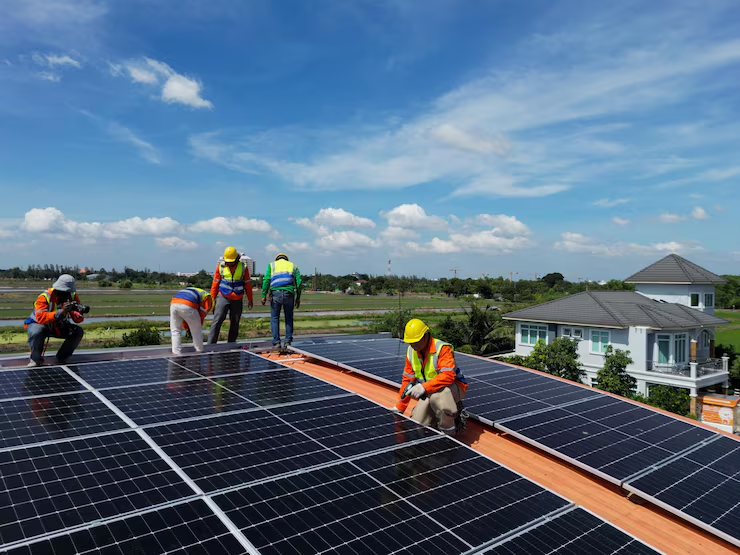
Many VAT-registered businesses can recover VAT on qualifying commercial installations, subject to normal VAT rules. Businesses should seek advice from their accountant or tax adviser regarding their specific circumstances.

Reduced electricity bills

Income from exporting surplus electricity

Protection against future energy price increases

Lower operating costs

Increased property value and marketability

Enhanced ESG credentials

Improved energy resilience during grid disruptions

Typical commercial solar PV and battery projects achieve payback in approximately:
5–10 years, depending on:
With system lifespans of 25–30 years for solar panels and 10–15 years for most battery systems, businesses can continue benefiting long after the initial investment has been recovered.
CAPEX funding is often well suited to businesses that:
Alternative funding options such as asset finance, leasing or power purchase agreements (PPAs) may be more appropriate for businesses that prefer to preserve cash flow.
Thank you for your enquiry. You'll now be contacted by up to 3 local trusted installers. All are MCS registered, hold up-to-date qualifications, insurances, and have excellent reviews.
Please be prepared to answer their calls and explain fully what your preferences are. This will help them provide the most suitable quotations for your property.