
The brand and quality are similar across all new style solar panels, the questions you need to ask your installation team are –
how long is the guarantee period (for a good quality solar panel, this should be 25 years, some high spec panels also come with a 30 year generation warranty too)
Are the panels all black or do they have a silver trim? This is down to personal preference, but all black panels tend to be more expensive, but look more sleek
What are the wattage of the panels specified? Bear in mind that larger wattage means larger sized panels, it may be beneficial to have more smaller wattage panels than less larger wattage equivalent panels to maximise on the overall wattage – a good installer will know this and recommend the best ‘fit’ for your roof space
The suitability of your roof for solar will depend on the pitch, the size, the structural design and the orientation. There is no ‘wrong’ roof but there are elements of your roof which make any PV array work better. For example if you have a flat roof, you can install solar on this, but the mounting system required mean you can’t get as many panels on as you would think for the surface area (as each panel could overshade the next if too close) and the mounting system required is very expensive, making it less viable or with a longer payback period. A 30 degree pitch is the optimum and of course south facing roofs are the best for solar generation. The structure of your roof must be suitable to take the weight of your solar panels so a suitable weight bearing calculation will be completed to ensure the array will not put undue stress on your roof structure. A small roof area, also limits the size of the array that you can have installed. One point to mention is that you do not need full sun from due south to generate electricity from your solar panels. Ambient light is all that’s needed, so you can have them installed on your north facing roof instead/as well. The costs and payback periods will differ accordingly, so ensure you discuss this with your installer of choice.
No you don’t have to buy a battery, and a battery can always be fitted retrospectively at a later date. However, a battery will increase your savings and give you the flexibility to store energy when it is cheapest (generated from your solar array) or by purchasing it during the off peak periods. This enables you to lower the cost of any energy used to the lowest possible depending on how you use your energy. Batteries are expensive, so it is worth weighing up what you will save with and without a battery. Ask your preferred installer for more information on costs and payback
Solar and battery systems require very little maintenance. That being said, it is worth having them checked every 2 years to ensure they are running correctly and no issues are identified. It is also worth checking that you don’t have any birds or animals nesting under the panels, and that they are clean so that they can work effectively for you and maximise the generation they produce
Yes! Advancements in solar mean that modern solar panels generate electricity using ambient light and do not need direct sunlight. The more light the better of course, but we have had feedback that solar has generated energy from moonlight too! Not a lot, but it all helps
Any issues with your roof should be identified by your chosen installer prior to the start of your installation. Sometimes tiles do break, but your installer should have enough experience to expect this, and to prepare for these tiles to be changed for new replacements. Check with your installer to see what they would do in this situation and ensure it is covered in your contract with them
In some circumstances you’ll need a new consumer unit. Your installation company will explain if this is required or not, and should always be part of the specification they approve for you.
Absolutely! We would recommend it on every installation. You can install ‘spikes’ which are less humane, or edging which can limit the air flow (but this is an aesthetic preference to have this or not) or the mesh variety can barely be seen from the ground. The prevention of birds or squirrels, or other animals attempting to use your nice secure and warm solar panels for their home, is much better than a cure once it has occurred. Nobody wants to remove a nest with young inside. The nests once established can be revisited year after year and the mess and noise they create really is not worth skimping on the extra cost of the netting (in our opinion)
DNO stands for District Network Operator. They are your area controller for your electricity supply. Depending on the size of the array and inverter you are installing will depend on if you require permission or forgiveness! Smaller systems up to a 7.6kw inverter can have notification via a G98 or G99 application. Your MCS accredited installer will do this for you, but your DNO will want to liaise directly with you should they require more information to register your new system. Once they register your system they will inform your energy provider and assign you a generation MPAN number, so that any energy you sell back to the grid, can be paid for by your energy company to you. This can take a few weeks but your installation company can help by applying for this as early in the process as possible.
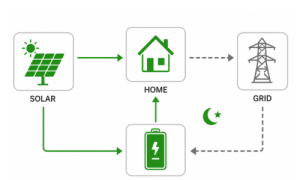
The battery charges from excess solar energy during the day, it discharges at night when the home uses more power than the solar panels produce.
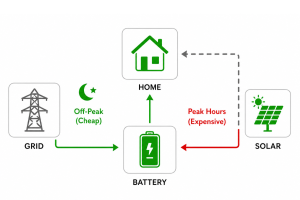
smart logic that tracks fluctuating electricity prices, the battery charges when electricity is cheap (such as overnight) and discharges during peak hours to avoid expensive grid rates.
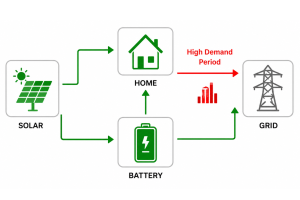
Designed for utility tariffs that charge extra for sudden high energy use (demand charges) the battery discharges during these high demand periods to keep overall usage low and save money.
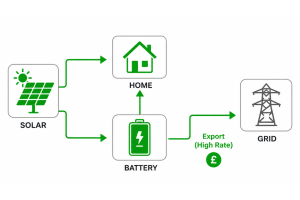
Allows the battery to send stored energy back to the grid during times when electricity export rates are highly profitable.
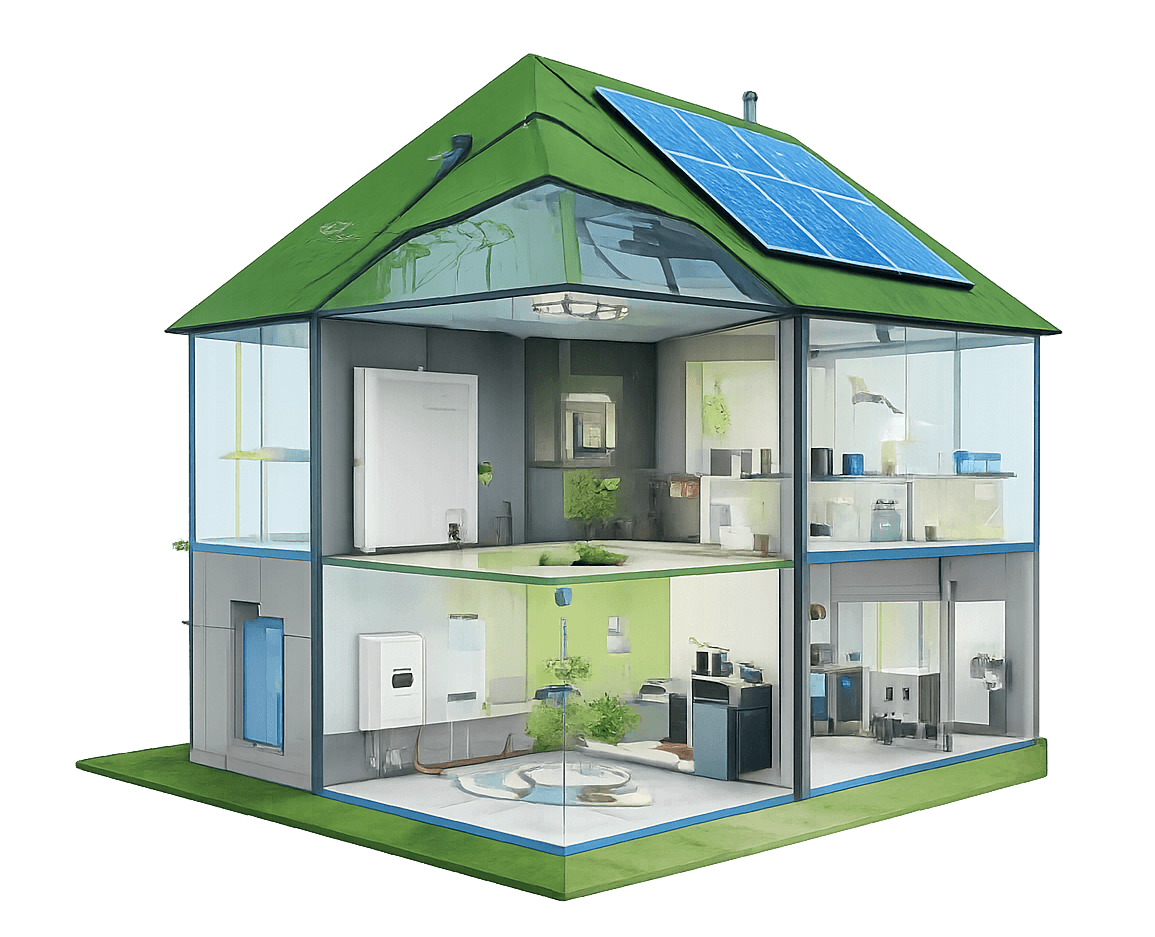

Save up to 70% on your energy costs.

Reduce your carbon footprint.

Boost your property's value and appeal.
Thank you for your enquiry. You'll now be contacted by up to 3 local trusted installers. All are MCS registered, hold up-to-date qualifications, insurances, and have excellent reviews.
Please be prepared to answer their calls and explain fully what your preferences are. This will help them provide the most suitable quotations for your property.